


Is At-Home Teeth Whitening Safe?
At-home teeth whitening has become increasingly popular, thanks to countless online products and “DIY” methods. From whitening strips to lemon and baking soda – the options seem endless. But the real question is:
Are these methods truly effective – and more importantly, are they safe?
In this article, we’ll separate fact from fiction and provide professional insight to help you make informed choices about your smile.
How does teeth whitening work?
Whitening removes pigment from the enamel using active chemical agents, usually hydrogen peroxide or carbamide peroxide. These agents penetrate the tiny pores in your enamel and break down deep stains, making teeth appear whiter.
Professional whitening is done under controlled conditions, while most at-home methods lack proper supervision.
Common at-home whitening methods:
1. Whitening strips with peroxide
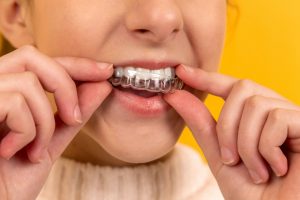
2. Gel kits with trays
3. LED/UV lamps
4. Abrasive toothpastes (baking soda, charcoal)
5. “Natural” remedies (lemon juice, coconut oil, turmeric, strawberries)
Some of these may give temporary results, but many carry hidden risks if used improperly.
Risks of at-home whitening
1. Enamel erosion
Acidic or abrasive substances (like lemon or baking soda) can permanently damage enamel, leading to sensitivity and decay.
2. Tooth sensitivity
Overuse of peroxide or poorly designed trays can cause sharp pain when eating or drinking.
3. Gum irritation
Excess gel or poorly fitting strips can burn or inflame the gums.
4. Uneven results
If you have fillings, crowns, or internal discoloration, whitening can create blotchy or unnatural effects.
5. Over-whitening (overbleaching)
Frequent unsupervised use may result in chalky, brittle, or translucent teeth.
When is whitening safe?
Whitening is safe and effective when:
• You’ve had a dental checkup beforehand
• You use regulated, dentist-approved products
• You follow instructions and limit use
• Your teeth and gums are healthy
Why professional whitening is the better choice
In a dental clinic:
• You get a full exam and cleaning first
• Custom trays fit perfectly
• Bleaching strength is tailored to your needs
• Results are fast, long-lasting, and even
• Sensitivity is minimized
Systems like Zoom, Opalescence, or laser whitening are safe and effective under professional care.
Common whitening myths (debunked)
“Baking soda whitens teeth.” – It scrubs surface stains but can erode enamel.
“Lemon juice is natural and harmless.” – The acid wears away enamel.
“Charcoal is safe.” – It’s highly abrasive and may cause more staining over time.
Conclusion
At-home whitening may seem quick and affordable, but without professional supervision, the risks often outweigh the benefits. For a brighter, healthier smile, always choose professional whitening tailored to your needs.